

Elderberry
Sambucus nigra
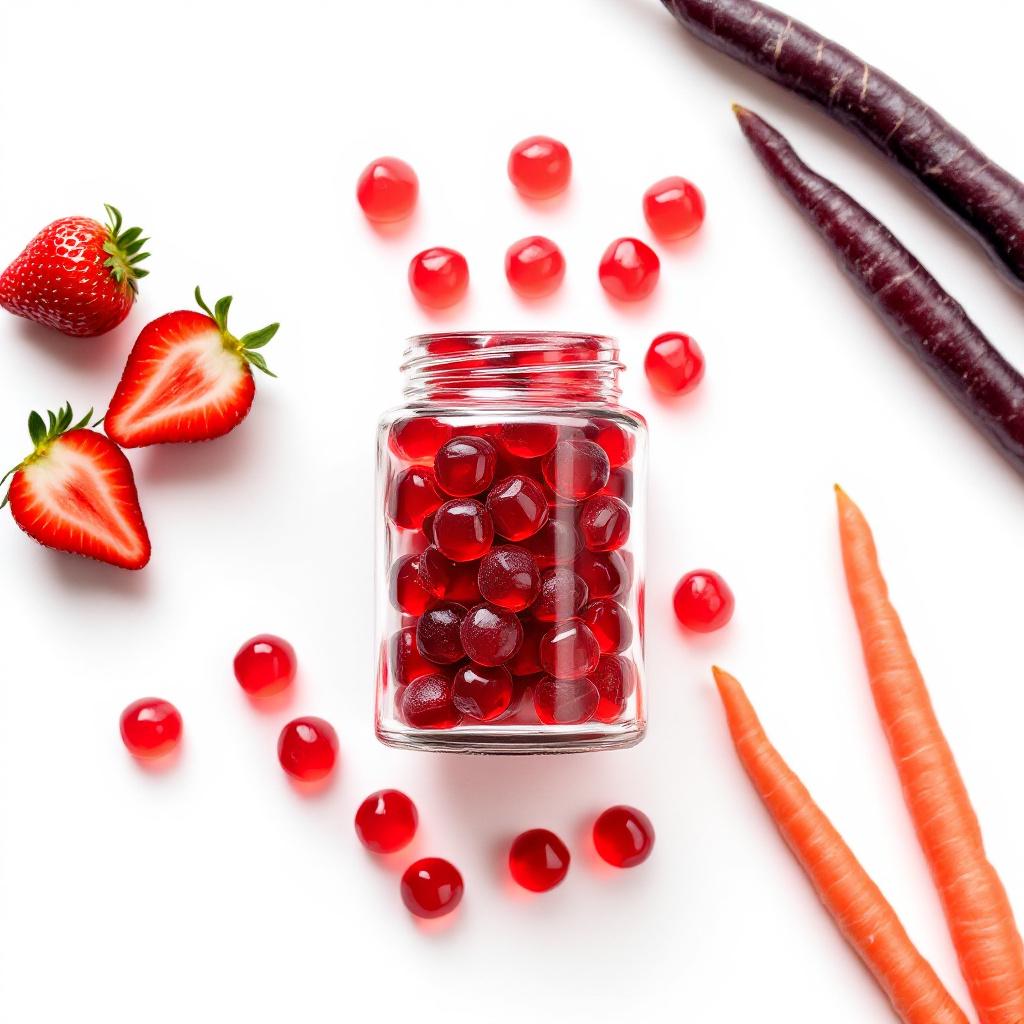
A dark berry used in syrups and gummies for cold and flu season.
NCCIH says preliminary studies suggest elderberry may relieve symptoms of flu, colds or upper respiratory infections, but few studies have evaluated it, and evidence is insufficient for COVID-19 or other uses.
At a glance
Food sources
Background and testing
This is not an essential nutrient, so there is no deficiency to diagnose.
Supplement forms
Safety, interactions and halal notes
Frequently asked questions
Can I eat raw elderberries?
No. Raw or unripe elderberries and other parts of the plant are poisonous and must be cooked.
Sources
← Back to the full nutrient guide
This page is for education only and is not medical advice. These statements have not been evaluated by the Food and Drug Administration. Supplements are not intended to diagnose, treat, cure or prevent any disease. Talk to a qualified clinician before starting a supplement, especially if you are pregnant, breastfeeding, take medicine or have a medical condition. Daily needs are US reference intakes for adults 19-50.