

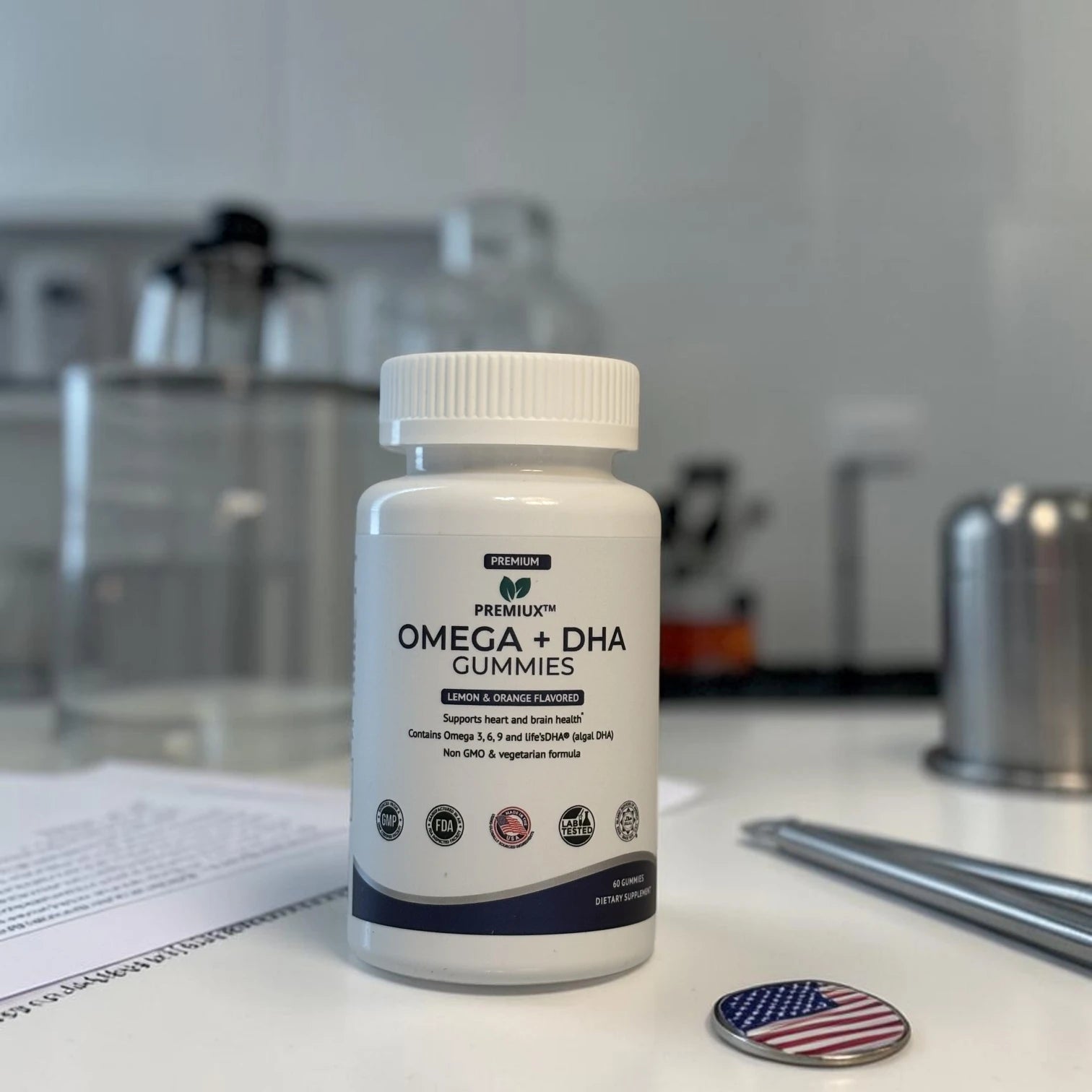

Omega-3
ALA, EPA, DHA
Brain and retina structure, anti-inflammatory signaling, heart health, fetal development
Reference intakes (RDA or AI) are set by the National Academies of Sciences, Engineering, and Medicine. Deficiency thresholds come from clinical and WHO guidance.
At a glance
Food sources
Deficiency and testing
Symptoms are not specific. Only a clinician with the right tests can tell whether you are deficient.
Supplement forms
Safety, interactions and halal notes
Frequently asked questions
How much Omega-3 do adults need per day?
Women 19-50: ALA: 1.1 g (AI) (1.4 g pregnancy); EPA+DHA: ~250-500 mg commonly advised (200 mg DHA in pregnancy). Men 19-50: ALA: 1.6 g (AI); EPA+DHA: ~250-500 mg commonly advised. Upper limit: No UL set; EFSA advises up to 5 g/day EPA+DHA from supplements as safe. Needs change with age, pregnancy and health conditions.
What are the signs of Omega-3 deficiency?
Dry rough skin, dry eyes, fatigue, poor concentration, joint stiffness, mood changes; scaly dermatitis and neurological signs in frank essential fatty acid deficiency. These signs are not specific, so only a clinician with the right tests can confirm a deficiency.
What are the best food sources of Omega-3?
Animal sources: EPA/DHA: salmon, mackerel, sardines, herring, anchovies, trout, oysters, cod liver oil. Plant sources: ALA: flaxseed, chia, hemp seeds, walnuts, canola/soybean oil; algae oil gives plant-based DHA/EPA.
Which form of Omega-3 supplement is best?
triglyceride (rTG) and free-fatty-acid forms are absorbed better than ethyl esters, especially with a low-fat meal; any form is absorbed well with a fatty meal; algal oil gives EPA/DHA equal to fish oil and is the best vegan option; prescription EPA/DHA for very high triglycerides.
Sources
← Back to the full nutrient guide
This page is for education only and is not medical advice. These statements have not been evaluated by the Food and Drug Administration. Supplements are not intended to diagnose, treat, cure or prevent any disease. Talk to a qualified clinician before starting a supplement, especially if you are pregnant, breastfeeding, take medicine or have a medical condition. Daily needs are US reference intakes for adults 19-50.